Hedge Trimming in Bow: Keeping Gardens Neat, Healthy, and Beautiful
Why Hedge Trimming in Bow Matters for Every Garden
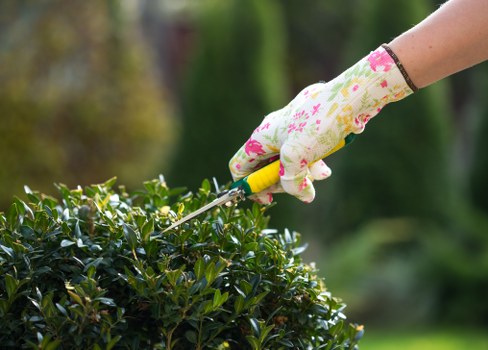
Hedge trimming in Bow is more than a cosmetic task. It is one of the most effective ways to keep a garden looking tidy, healthy, and well-balanced throughout the year. Whether you have a compact front garden, a spacious rear boundary, or a decorative hedge framing your property, regular hedge cutting helps shape growth, encourage density, and improve the overall appearance of your outdoor space.
Many homeowners in Bow value gardens that look clean and cared for, and hedge trimming in Bow plays a major role in achieving that finish. A well-trimmed hedge creates structure, adds privacy, and defines borders without making a garden feel closed in. It also helps prevent hedges from becoming overgrown, lopsided, or difficult to manage later on.
When carried out at the right time and in the right way, hedge trimming supports long-term plant health. It allows light to reach lower branches, improves air circulation, and reduces the chance of dead patches forming inside the hedge. In a busy area like Bow, where outdoor spaces often need to work hard and look good all year, this kind of maintenance brings real value.
What Makes Hedge Trimming in Bow Unique
Local conditions and garden styles

Bow has a mix of residential streets, modern developments, terraces, and traditional homes, which means hedges come in many shapes and sizes. Some are used for privacy, while others are mainly decorative. Because of this variety, hedge trimming in Bow needs a flexible approach that suits the hedge species, the garden layout, and the desired finish.
The local environment also affects hedge care. Urban gardens often face limited space, uneven sunlight, pollution, and wind exposure. These factors can influence growth patterns, making hedges grow faster on one side than the other or leave gaps in thinner areas. Regular trimming helps correct these issues and keeps the hedge looking even.
There is also the matter of seasonality. In Bow, hedges can grow vigorously during the spring and summer months, meaning they may need attention more often than many people expect. Consistent maintenance is usually better than waiting until the hedge becomes overgrown, because lighter trims are easier on the plant and deliver a cleaner result.
Common hedge types found in Bow
Some of the hedges commonly seen in Bow include:
- Privet for privacy and quick growth
- Laurel for dense evergreen screening
- Beech for a natural, classic look
- Box for formal edging and shaping
- Hawthorn for a traditional boundary hedge
Benefits of Regular Hedge Trimming in Bow

One of the biggest advantages of hedge trimming in Bow is the immediate visual improvement. A sharply cut hedge can transform the look of a property, making the whole garden feel brighter, cleaner, and more intentional. This matters not only for enjoyment but also for kerb appeal, especially if the property is being prepared for sale or rental.
Another major benefit is plant health. Hedges that are left to grow unchecked often become too dense at the top and too thin at the bottom. This uneven growth blocks sunlight and can lead to the inner branches dying back. Routine hedge trimming encourages stronger growth from the base upward, helping the hedge stay full and attractive.
It also makes future maintenance easier. A hedge that is trimmed regularly tends to require less drastic cutting later. That means less stress on the plant, less waste to clear away, and a better chance of maintaining a consistent shape over the seasons.
Other practical benefits include:
- Improved privacy without excessive height
- Better boundary definition between properties
- Reduced risk of branches interfering with paths or driveways
- Lower chance of hedges blocking windows or light
- Cleaner, more accessible outdoor spaces
When to Schedule Hedge Trimming in Bow
Choosing the right season
Timing is important when it comes to hedge trimming in Bow. The best schedule depends on the hedge species, its rate of growth, and the shape you want to maintain. Many hedges benefit from two trims per year, while faster-growing varieties may need more frequent attention during active growth periods.
Spring and summer are often the main trimming seasons because plants are actively growing and respond well to shaping. However, not every hedge should be cut at the same time. Some species are best trimmed after flowering, while others should be left alone during nesting season to protect wildlife. A careful approach helps preserve both the hedge and the local environment.
In autumn, hedge trimming can help tidy things up before winter sets in. This is especially useful for hedges that have become slightly untidy over the summer. Winter trimming is possible for certain species, but it should be done with caution, particularly during frosty conditions when plants can be more vulnerable.
Signs your hedge needs attention
- It looks wider or taller than intended
- Branches are spilling onto pavements or paths
- The hedge has uneven sides or a rough outline
- Lower sections look thin because of excess top growth
- It is blocking light into the garden or house
If any of these signs are present, it may be time to book hedge trimming in Bow before the hedge becomes harder to manage.
Professional Hedge Trimming in Bow vs DIY Trimming
Which option is right for your garden?
Some homeowners enjoy handling hedge trimming themselves, especially on smaller hedges or simple boundary lines. Basic maintenance can be manageable with the right tools, a steady hand, and enough time. However, professional hedge trimming in Bow often delivers a cleaner, more precise finish, especially for taller, wider, or more formal hedges.
DIY trimming can be suitable for light upkeep, but it may not always achieve the symmetry or sharp lines needed for a polished appearance. Tall hedges also bring safety concerns, particularly when ladders are involved. Uneven cutting can leave the hedge looking patchy or can cause long-term shape problems if the wrong sections are removed.
Professionals bring experience, proper equipment, and an understanding of how different hedge species respond to cutting. They can assess growth patterns, trim accurately, and ensure the hedge remains healthy while looking neat. For many property owners, this balance of appearance and care makes expert hedge trimming in Bow a worthwhile investment.
Advantages of professional hedge trimming
- More even and attractive results
- Safer handling of tall or dense hedges
- Better knowledge of species-specific care
- Efficient cleanup and waste removal
- Reduced chance of accidental damage
How Hedge Trimming in Bow Supports Garden Design
Hedges are often used as living architectural features. They can frame flower beds, soften fences, hide unsightly areas, and create separate zones in the garden. Hedge trimming in Bow helps maintain those design roles by keeping the lines crisp and the proportions balanced. Without regular shaping, even the most attractive hedge can start to overpower the space around it.
In smaller Bow gardens, neat hedges can make the area feel larger and more organised. In bigger gardens, they can create structure and lead the eye through the landscape. Either way, the hedge becomes part of the overall composition rather than a separate, unmanaged feature. That is why hedge maintenance is so closely linked to garden design.
Well-trimmed hedges also work beautifully alongside lawns, patios, paving, and decorative planting. They provide contrast to softer planting shapes and can help highlight focal points such as seating areas, water features, or paths. Careful hedge shaping can elevate a garden from simply functional to genuinely eye-catching.
Design effects created by tidy hedges
- Clearer garden borders
- Stronger visual symmetry
- Improved balance between hard and soft landscaping
- More usable and inviting outdoor space
Best Practices for Healthy Hedge Trimming in Bow
Healthy hedge trimming in Bow starts with cutting the hedge in a way that suits its natural growth habit. A hedge should usually be slightly wider at the base than at the top, allowing lower branches to receive enough light. This tapered shape prevents the top from shading out the bottom and helps the hedge remain full from ground level upward.
It is also important to avoid cutting too much at once. Heavy reductions can shock the plant and leave it looking thin for a long time. Light, regular trimming is usually more effective than one severe cut every few years. The goal is to guide the hedge's growth rather than force it into shape.
Using clean, sharp tools matters too. Dull blades can tear branches instead of making neat cuts, which may slow recovery and make the hedge look ragged. Whether the trimming is done by a homeowner or a professional, good technique and proper equipment make a noticeable difference.
Helpful trimming tips
- Trim during the right season for the hedge species
- Keep the top narrower than the base
- Remove dead or damaged sections first
- Step back regularly to check symmetry
- Clear away clippings so the hedge stays tidy
Common Problems Resolved by Hedge Trimming in Bow
From overgrowth to uneven edges
Many common garden issues can be solved or improved with regular hedge trimming in Bow. One of the most obvious is overgrowth. When hedges are left alone for too long, they can spread into walkways, cover windows, and make the garden feel crowded. Trimming restores order and opens up the space again.
Another issue is uneven growth. Some hedges naturally grow more strongly on one side due to light, wind, or soil conditions. This can make the hedge look lopsided or poorly maintained. A skilled trim can correct the shape and encourage more balanced development over time.
Hedge trimming can also help when a hedge begins to lose its form. Formal hedges need clear lines, while informal hedges still benefit from a controlled outline. In both cases, shaping the hedge regularly helps preserve the look you want and prevents the structure from collapsing into a wild mass of growth.
Typical issues addressed by trimming
- Branches hanging into paths
- Blocked natural light
- Misshapen or lopsided growth
- Thinning lower sections
- Encroachment on neighbouring boundaries
Preparing for Hedge Trimming in Bow
Before hedge trimming in Bow begins, it helps to inspect the hedge carefully. Look for nesting birds, dead branches, hidden debris, or sections that have grown much faster than others. This allows the work to be planned properly and reduces the chance of damage during trimming. It also helps decide whether the hedge needs a light tidy-up or a more detailed reshape.
Access is another important consideration. Tall hedges, narrow side passages, and awkward corners can make the job more complex. In urban gardens, it is often best to think through the space beforehand so that tools, clippings, and ladders can be handled safely. Good preparation saves time and helps achieve a better finish.
It is also wise to think about the weather. Dry days are generally best because wet foliage can be heavier and harder to trim cleanly. Good conditions allow for more accurate shaping and easier cleanup afterward. Planning ahead can make all the difference to the outcome.
Why Local Experience Matters for Hedge Trimming in Bow
Local experience is valuable because not every garden in Bow is the same. Some hedges grow close to busy roads, others sit in sheltered courtyards, and some are exposed to wind between buildings. Understanding these differences helps with choosing the right cutting approach and timing. Hedge trimming in Bow is often more effective when the work reflects local conditions rather than using a one-size-fits-all method.
Experienced local gardeners and tree care professionals also understand the expectations of Bow homeowners. Many want hedges that look neat but not over-processed, practical but still natural, and stylish without appearing rigid. That balance requires both technical skill and an eye for design. It is the kind of detail that can turn basic hedge cutting into a refined result.
For people who want to keep their property looking smart year-round, regular local hedge trimming can become part of a reliable maintenance routine. The hedge stays manageable, the garden feels cared for, and the work is far less disruptive than waiting for a major cut-back.
When to consider booking a service
- When the hedge has outgrown its space
- When the shape has become uneven
- When the hedge starts blocking light
- When safety or access is becoming an issue
- When you want a sharper finish than DIY trimming can provide
Final Thoughts on Hedge Trimming in Bow
Hedge trimming in Bow is an essential part of keeping gardens attractive, healthy, and functional. It helps hedges grow in a controlled way, supports privacy, improves light flow, and adds structure to outdoor spaces. Whether the hedge is formal or informal, evergreen or deciduous, regular trimming keeps it looking its best throughout the seasons.
For homeowners who want a neat and polished result, professional hedge trimming in Bow offers precision, safety, and convenience. For those who prefer to manage smaller jobs themselves, routine attention can still go a long way. The key is consistency. A hedge that is trimmed regularly is easier to shape, healthier in the long term, and far more pleasing to look at.
If your garden hedge is starting to spread, lose shape, or block light, now is the ideal time to take action. Contact us today to keep your outdoor space looking its best, or book your service now and enjoy a cleaner, more balanced garden with expert hedge trimming in Bow.

